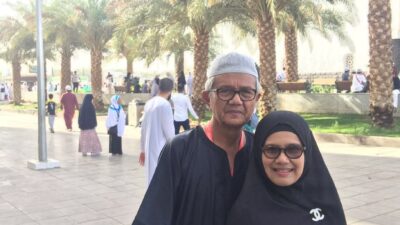

BANDA ACEH — Amid rising global food demands and mounting economic pressures on rural communities, the Chairman of Relawan Peduli Rakyat Lintas Batas, Arizal Mahdi, believes Aceh holds immense potential to rise through a technology-driven agricultural sector supported by research, innovation, and the development of high-quality seeds.
As global food supply chains continue to face increasing pressure, regions with strong agricultural potential are becoming strategically important in shaping future food resilience and sustainable economic growth.
He stressed that Aceh should no longer remain merely a consumer of agricultural products imported from other regions and foreign markets. The province, long recognised for its fertile land and abundant natural resources, is now considered ready to establish an integrated seed research and production centre similar to that developed by [Green World Genetics (GWG) Malaysia](https://www.gwgenetics.com?utm_source=chatgpt.com).
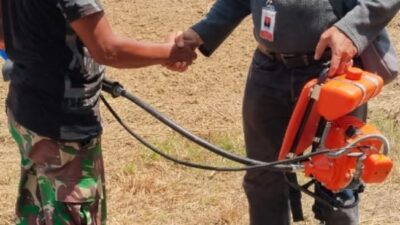
Across many villages in the region, farmers continue to work with limited access to modern equipment, superior seeds, agricultural technology, and market opportunities. At the same time, increasing numbers of young people are gradually moving away from the agricultural sector, viewing it as unable to provide long-term economic security and opportunity.
“Agriculture is not merely about planting and harvesting. It is about the future of families, employment opportunities, food security, and the hopes of society,” said Arizal Mahdi.
He believes the province possesses all the necessary foundations to emerge as one of Southeast Asia’s future agricultural innovation corridors, provided it is supported by research, technology, and the determination to build an integrated agricultural industry from upstream production to downstream processing.
For Arizal, the future of agriculture is no longer defined solely by land, but by innovation, knowledge, and the ability to transform rural communities into engines of economic growth.
According to him, the establishment of a modern seed innovation centre could become the starting point for a new economic ecosystem in Aceh — spanning agricultural research, seed cultivation, distribution networks, and agro-processing industries capable of generating thousands of new jobs for local communities.
“If Aceh succeeds in building its own seed industry, we will not only produce better harvests, but also create broader economic opportunities for the people,” he said.
He further noted that Aceh’s geographical proximity to Malaysia represents a major strategic advantage that has yet to be fully utilised. With strong agricultural technology, sustainable farming systems, and internationally competitive production standards, the region’s agricultural products could potentially enter export markets in Malaysia and across Southeast Asia.
“Malaysia requires substantial supplies of food and horticultural products. Aceh possesses fertile land and a highly strategic location nearby. This is an economic opportunity that must be pursued,” he added.
GWG Malaysia is widely recognised as a tropical hybrid seed research and development company focused on advancing agricultural quality through technology, innovation, and sustainable research.
For Arizal, building a seed industry is not solely about increasing agricultural output, but also about preserving the dignity of farmers and enabling rural communities to achieve a more prosperous and sustainable future through the land they cultivate.
He hopes that the agricultural sector in Aceh can once again become a source of opportunity and hope for younger generations, rather than a sector abandoned due to limited prospects and insufficient development support.
In his view, the province requires close collaboration between government institutions, universities, investors, and local communities in order to build a strong, independent agricultural industry capable of competing in international markets and contributing to regional food resilience.
“We want to see farmers living more prosperous lives, young people finding meaningful employment in their own homeland, and Aceh’s agricultural products becoming recognised in global markets,” Arizal Mahdi concluded.
For Arizal, the future of Aceh will not only be built in cities and government offices, but also in the fertile fields where knowledge, technology, and the resilience of its people come together to shape a new era of economic transformation, social progress, and sustainable prosperity for future generations.