
BIREUEN – Arizal Mahdi, Chairman of Relawan Peduli Rakyat Lintas Batas, has called for a comprehensive transformation of Aceh’s agricultural sector through the strengthening of seed technology, agricultural research, sustainable food systems, and rural economic empowerment inspired by the model developed by Malaysia’s Green World Genetics (GWG).
According to Arizal Mahdi, the global food sector is expected to become one of the most strategic pillars of future economic resilience amid the growing challenges of climate change, food insecurity, population growth, and increasing global demand for sustainable food production.
“Agriculture today is no longer merely about planting and harvesting. It is about technology, innovation, research, food security, seed quality, environmental sustainability, and how we create long-term prosperity for farmers and rural communities,” he stated.
Green World Genetics (GWG), a Malaysian agricultural and tropical hybrid seed research company, is widely recognised for its integrated “from seed to table” approach, which combines seed development, modern cultivation systems, greenhouse technology, plant nutrition, supply chain management, and food distribution into a unified agricultural ecosystem.
The company focuses on the development of high-quality non-GMO tropical hybrid seeds, including maize, sweetcorn, chilli, tomato, cucumber, melon, watermelon, capsicum, and rice through advanced plant breeding and modern agricultural research.
In addition to seed innovation, GWG is actively involved in fertigation technology, greenhouse systems, agro supply chain development, agricultural training, and technology-driven farming systems designed to improve productivity, efficiency, and sustainability within tropical agricultural environments.
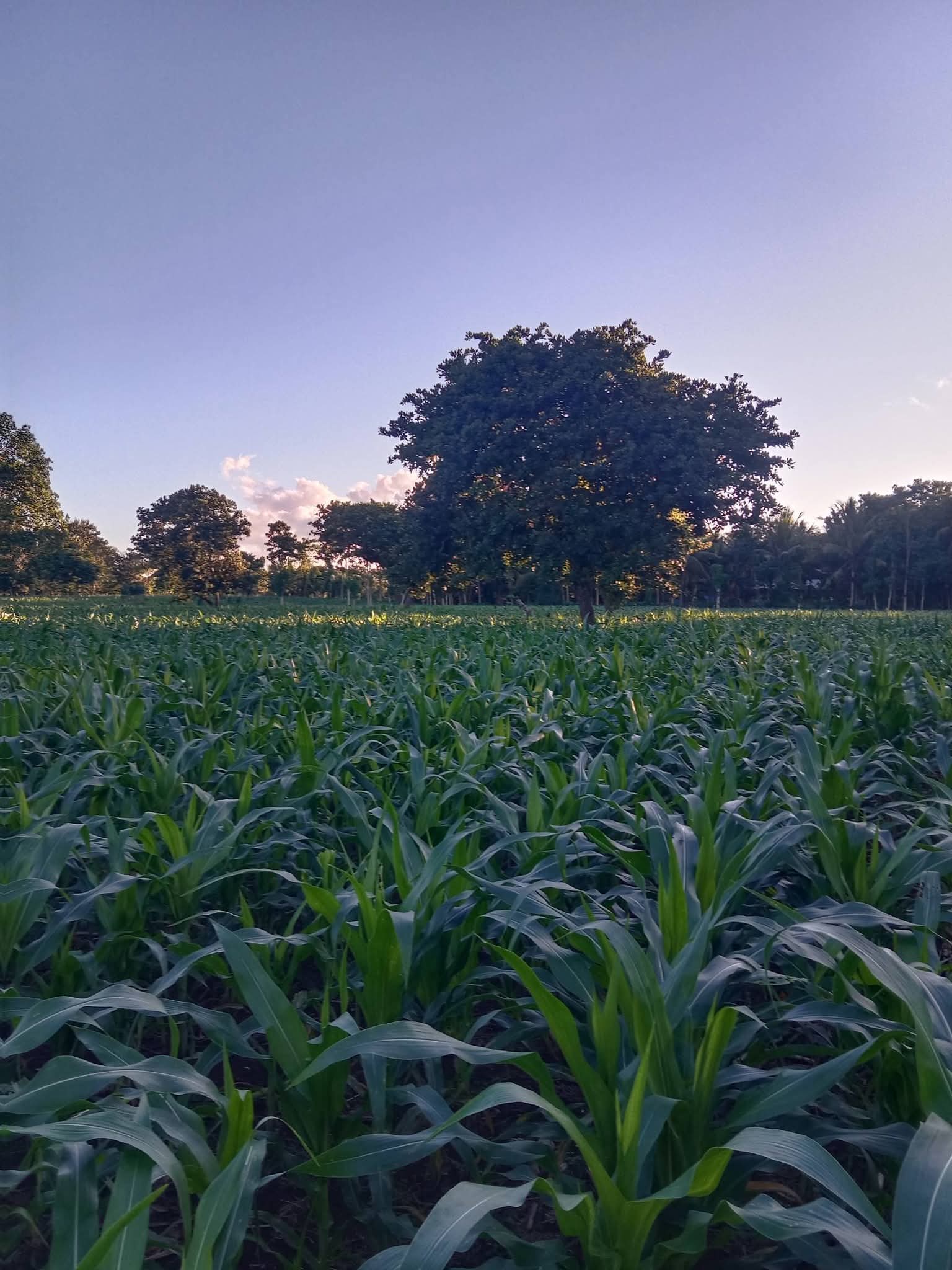
Arizal Mahdi believes that the approach developed by GWG could provide valuable inspiration for strengthening agricultural modernisation in Aceh, particularly in the maize and tropical horticulture sectors, both of which hold substantial long-term economic potential.
He noted that Aceh possesses extensive agricultural land, rich natural resources, and a highly favourable tropical climate, giving the region a strong foundation for the development of a modern and competitive agricultural economy.
However, he stressed that agricultural transformation must not focus solely on increasing production output, but also on addressing poverty, unemployment, rural inequality, and economic vulnerability through community-based development strategies.
“If agriculture is managed through modern, innovative, and sustainable approaches, it can generate significant employment opportunities across multiple sectors — from seed production, cultivation, greenhouse management, and logistics to food processing, agribusiness, and agricultural marketing,” he explained.
According to him, modern agriculture could become a strategic solution for reducing youth unemployment while simultaneously strengthening rural economies, particularly if supported by access to technology, training, investment, and sustainable market systems.
He also encouraged the emergence of a new generation of agricultural professionals capable of mastering agribusiness, digital agriculture, food innovation, and modern farming technologies.
“We need a younger generation that is prepared not only to become traditional farmers, but also agricultural entrepreneurs, greenhouse managers, seed developers, food innovators, and leaders within the modern agribusiness sector,” he said.
Arizal Mahdi further observed that many young people in rural communities possess significant potential but continue to face limited access to technology, education, financing, and business opportunities within the agricultural sector.
He believes that strengthening modern agriculture could also help reduce excessive urban migration while creating more sustainable economic opportunities for rural populations.
Beyond increasing agricultural production, he emphasised the importance of developing downstream industries and food processing sectors in order to increase the added economic value of agricultural commodities and improve farmers’ incomes.
“For decades, many agricultural products have been sold primarily as raw commodities. Moving forward, Aceh must strengthen its food processing industries so that the economic benefits of agriculture can be enjoyed more directly by local communities and farmers,” he stated.
He also underlined the importance of international collaboration in the agricultural sector, noting that cross-border partnerships could accelerate technology transfer, research development, and the strengthening of more competitive and resilient food systems in Aceh.
According to Arizal Mahdi, agricultural transformation must also be directed towards sustainable agriculture that is environmentally responsible, resource-efficient, climate-resilient, and capable of adapting to future global challenges.
He added that the agricultural sector could become one of the principal pillars of regional economic transformation if managed through innovation, technological advancement, strengthened food value chains, and people-centred economic empowerment.
“Food security will become an increasingly important component of regional economic competitiveness in the future. For that reason, agricultural development must be viewed not simply as a sectoral policy, but as a long-term strategic investment,” he remarked.
Arizal Mahdi also highlighted the importance of strengthening seed sovereignty and regional food resilience amid rising concerns surrounding climate change, global food instability, and future supply chain disruptions.
“The future strength of a nation is determined not only by infrastructure and economic growth, but also by its ability to protect its food systems, preserve seed sovereignty, and ensure the welfare of its farmers and rural communities,” he affirmed.
He believes Aceh has the potential to emerge as an important centre for modern tropical agriculture and food production within western Indonesia and the wider Southeast Asian region if supported by innovation, research, sustainable investment, and strong human resource development.
According to him, agricultural transformation is ultimately about more than economic growth; it is about protecting livelihoods, strengthening regional resilience, empowering communities, and securing a sustainable future for the next generation.